
Returning to an account should begin with knowing which destination and account you intend to use. A saved tab, an automatic browser entry, or a message containing a familiar name can otherwise create confusion before the actual login process starts. This guide approaches WW88 login information through the circumstances of a returning user. It distinguishes ordinary access from recovery questions, explains how to preserve the meaning of a response, and keeps account credentials separate from information that may reasonably be shared for clarification. No particular authentication feature is assumed to be available.
Recognize the returning account context
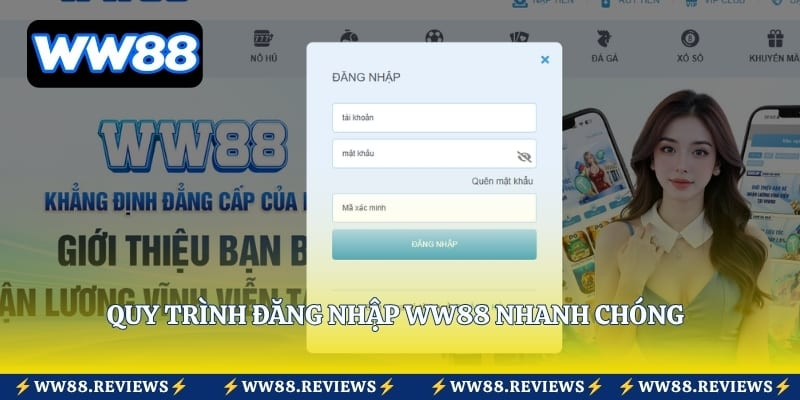
Before entering credentials associated with ww88, identify the address actually open and the account task being attempted. A registration page, an access page, and a recovery instruction are different destinations. Choose the one relevant to an existing account rather than following whichever invitation is most visible. If a saved bookmark leads elsewhere, check the new destination before proceeding. Familiar wording alone does not establish ownership or authenticity. This first check reduces the risk of entering private information into a page that was not the intended place to resume an account session.
On a shared device, also check which browser profile or saved account is in use. Automatic suggestions can be convenient while still belonging to another person or an earlier account. Review the visible information without exposing a password to someone nearby. Do not treat a prefilled field as confirmation that the account identity is correct. Where the service’s instructions distinguish different identifiers, use the definition provided for the current form. A returning user benefits from clarity about identity before attempting to interpret an access response.
Treat a login response as information to understand
The phrase đăng nhập ww88 identifies the access topic, but the meaning of an individual message depends on the instructions of the current service. Read the full response rather than interpreting only its color or a brief label. Distinguish an entry problem from a request for further verification where such a distinction is documented. This article does not confirm a specific verification process at the linked destination. It explains why the user should establish what the response says before repeating an attempt or switching to another account task.
One unsuccessful attempt does not explain its own cause
A failed attempt can leave several questions open. Check whether the destination and identifier are correct and whether the input matches the required format. Avoid guessing a series of answers or repeatedly submitting without understanding the message. If a recovery route is documented, read its conditions separately rather than treating it as another ordinary login button. Preserve the relevant wording and the time of observation if clarification is needed. Do not copy the password into a note or screenshot to make the explanation appear more complete.
If a message refers to a condition that is not understood, ask about that condition through a verified channel. Describe the task, the response, and the point that needs explanation. An ordinary support question does not require sharing a password or an authentication code. Be cautious about requests to move immediately to an unverified private conversation or to install remote access software. The goal is to understand the account state, not to surrender control of the device in exchange for an unsupported promise of faster access.
End the session with the same clarity used to begin it
After access is restored or the information task is complete, consider the device context again. On a shared device, follow the documented process for ending the session where applicable and avoid leaving private account details in open notes. On a personal device, keep the operating system and browser maintained through their ordinary update channels. A saved login can reduce typing, but it should not replace knowing which account is being used. Review any unusual request before entering more information, especially when it appears outside the expected access flow.
Access to an account is separate from a decision to participate in real money activity. Such activity requires legal eligibility, applicable age conditions, and time and spending limits set in advance. Successful login does not create a need to continue, recover a previous loss, or act on an urgent promotion. Keep essential expenses separate and protect credentials throughout any later interaction. If an access condition remains unresolved, the session can end with a clear question saved for later rather than another uncertain attempt.
Conclusion
WW88 login information is most useful when it helps a returning user identify the correct destination, interpret the actual response, and distinguish access from recovery. Check saved entries, preserve the meaning of messages, and ask narrow questions without sharing credentials. A clear ending matters as much as a clear beginning, particularly on shared devices. The aim is controlled account access, with further activity remaining a separate decision governed by eligibility and personal limits.