Top Tips for Placing an Online Sports Stake

Alt: Two smiling adults at a bright table with a ball and a blank card
A weekend match often brings friends together, and one of them decides to place a bet. Bookmakers, 1xbet in South Sudan among them, show the market, the selection, the odds, and the amount on the bet slip before a bet is confirmed, and those are the details the tips below check. A few minutes of preparation make a bet easier to follow and the match more enjoyable to watch.
Four things are worth checking before any bet: the market, the odds, the settlement rules, and the event itself. Each takes only a minute or two, and the tips below go through them in order.
Tip 1: Choose a Market You Can Explain in One Sentence
A market is the type of outcome a bet is placed on. In football, common markets include the match result (home win, draw, or away win), total goals over or under a line such as 2.5, and both teams to score. A single match can carry dozens of markets, each described with its exact wording on the operator’s site, https://1xbet.ss in this case, which can make the choice feel bigger than it is.
A simple test helps: can the market be explained in one sentence? “The home team wins in normal time” passes. A market whose wording needs a second read does not. Two-outcome markets such as over/under have fewer outcomes to compare, which makes them easier to read, but not easier to predict, because the chance of each outcome still depends on the match.
It also helps to stay with sports and leagues already followed. Knowing how a team usually plays is more useful than a longer list of unfamiliar markets.
Tip 2: Read the Odds as Probabilities
Decimal odds show the total return per unit staked, and they also imply a probability. A stake of 10 EUR at odds of 2.00 returns 20 EUR if the bet wins, which includes the original 10 EUR. Dividing 1 by the odds gives the implied probability: 2.00 is 50%, 2.50 is 40%, and 1.50 is about 67%.
Adding up the implied probabilities of every outcome in a market gives the overround. If both sides of an over/under market are priced at 1.90, each implies about 52.6%, and together they come to about 105.3%, an overround of about 5.3 percentage points. The bookmaker’s margin is a related but different figure: the payout ratio is 1 divided by 1.053, or 95%, so about 5% of the money bet is kept if bets are spread evenly across both outcomes. The closer the total is to 100%, the smaller the overround.
Odds can change before kickoff because of team news or the volume of bets on one outcome. Many platforms show updated odds on the bet slip and ask for confirmation if the price moves, so check the odds at the moment of confirming. Betting is for adults of legal age, and since higher odds mean a lower implied probability, the amount is best chosen in advance.
Tip 3: Read the Settlement Rules First
Two bets that look alike can be settled differently, and the rules explain why. Standard football markets normally count the 90 minutes plus stoppage time, so extra time and penalty shootouts are excluded unless the market says otherwise. In tennis, rules for a player retiring mid-match differ between operators, so a match-winner bet may be settled or voided depending on how far the match had gone.
Other points to check are what happens if an event is postponed or abandoned, how a “draw no bet” market treats a draw (the stake is returned), and whether a player market requires the player to start the match. These details sit in the market description and the platform’s terms.
After a bet is confirmed, the account’s bet history lists the event, market, odds, and stake as accepted. Those recorded details, and not a note or screenshot made earlier, are what the platform refers to at settlement.
Tip 4: Look at the Event, Not Only the Price
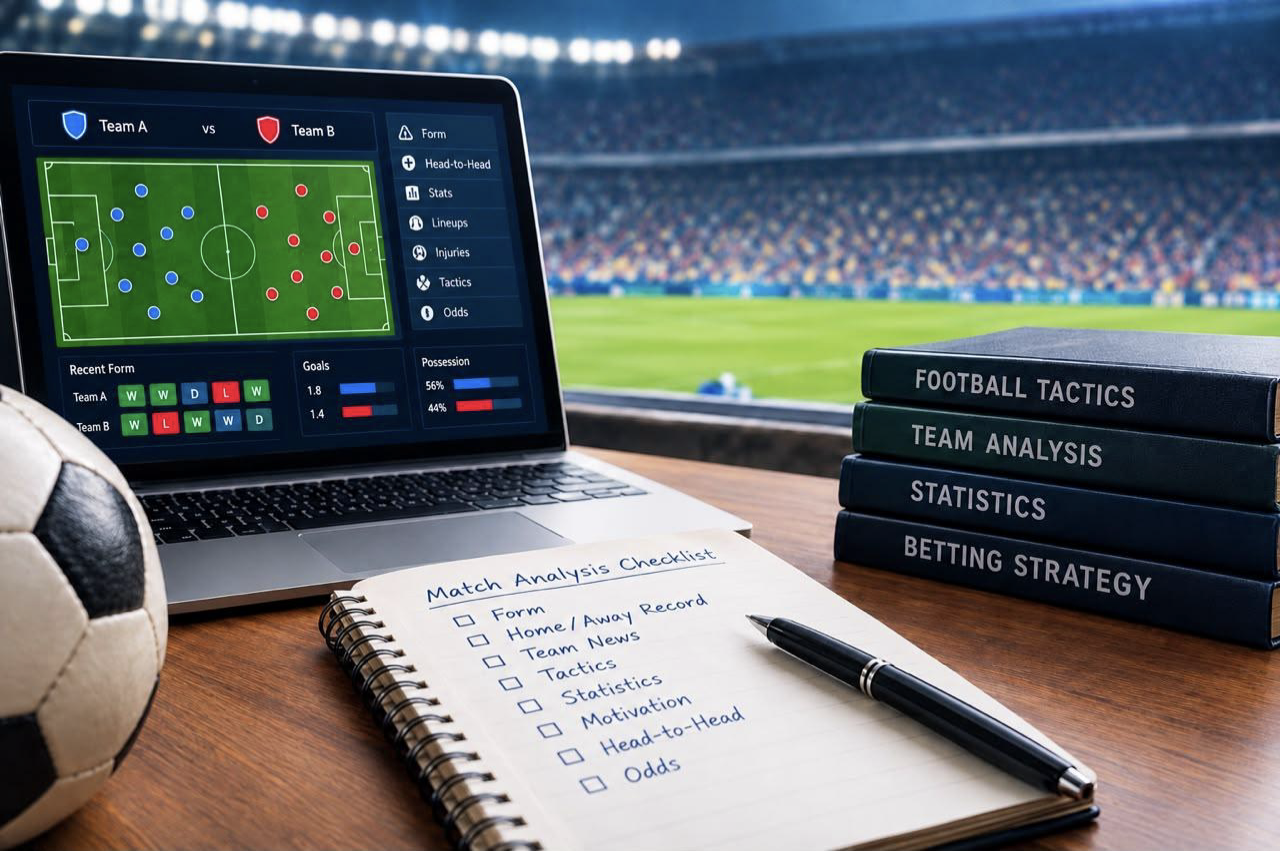
Before choosing, look at a few simple facts about the match:
- Recent form over the last five or six matches, ideally split between home and away games
- Injuries and suspensions, which are often reported shortly before kickoff
- Fixture congestion, since a team with several matches in a short period may rotate its squad
- Competition context, because a cup tie or a match with little at stake can be played differently from a regular league game
- Head-to-head history, which is worth a glance but usually matters less than current form
Form and news explain what has happened, not what comes next. A strong favourite can still lose, and that uncertainty is part of what makes sport fun to watch.