Football information is easier to use when the reader starts with a clear question. A fixture time, a completed result and a description of a betting market are different kinds of information, even when they appear close together on a page. This guide explains how to organize a football lookup session without treating every number or headline as an answer to the same question. The aim is to help readers identify the right event, understand the context of a page and keep uncertainty visible throughout the process.
Start by Identifying the Information You Actually Need
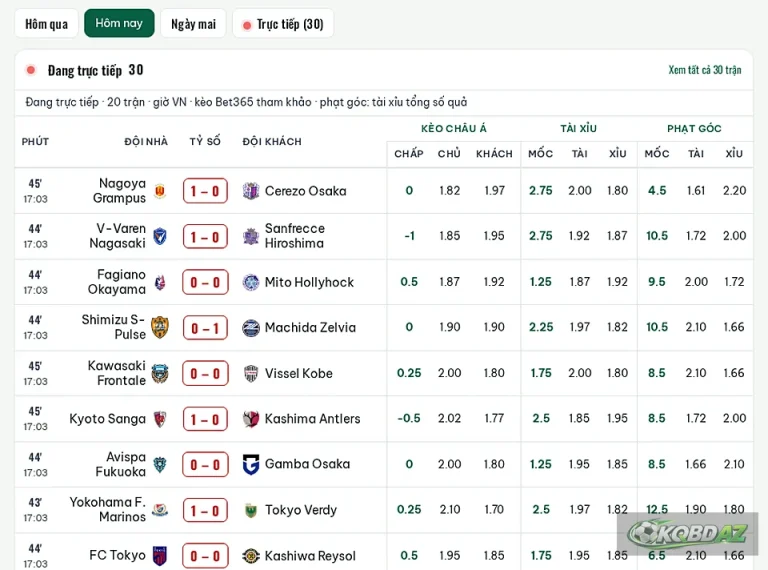
Someone researching kèo nhà cái hôm nay may encounter schedules, market descriptions and match commentary during the same visit. Before interpreting any of them, decide what needs to be established. Is the question about a fixture, an event that has finished or the terms attached to a particular option? A precise question helps prevent one type of information from being used as proof of another. It also makes it easier to recognize when the page being read does not contain the answer that the reader originally wanted.
Event identification comes next. Check the full team names, competition and date before making comparisons. Similar abbreviations can refer to different teams or levels of competition. A page saved earlier may also relate to a different stage of the season. Where accuracy matters, use an appropriate official competition source to confirm the event. Keeping the date with the information is more useful than saving an isolated figure that will be difficult to interpret later without its original context.
Use a Football Lookup Guide as a Reading Framework
The topic hướng dẫn tra cứu bóng đá is best approached as a framework for reading information rather than a promise that every page will be complete. Look for headings, labels and explanations that identify what a figure represents. A current score, a scheduled starting time and a forecast should not be treated as interchangeable. If the meaning is unclear, find the relevant explanation before drawing conclusions. A familiar layout can make browsing convenient, but it does not remove the need to understand the conditions behind each item.
Timing deserves special attention. Check whether the page displays the reader’s local time or another time zone, and whether the content has a visible publication or update date. A schedule may change, while a match page can move through several states before a final result is confirmed. Do not assume that refreshing the page guarantees immediate accuracy. If two sources differ, record the time and look for an appropriate confirmation rather than selecting whichever version supports a preferred interpretation.
Turn Collected Information into a Considered Decision
Once the question has been answered, summarize the finding in plain language. This can reveal whether the information was genuinely understood or merely copied. If an important point remains unresolved, note it separately instead of filling the gap with an assumption. Readers comparing several pages should keep the event and time frame consistent. A comparison is less useful when it combines different matches or different stages of the same event without making those differences explicit.
Information about betting requires an additional distinction between description and prediction. Understanding a market label does not establish that a selection will win. Read the applicable settlement terms and any relevant event conditions before considering a financial action. Participation should be limited to adults where it is lawful, with essential expenses kept separate from any entertainment budget. Never borrow or increase spending to recover a loss. Choosing to read football information without placing a bet remains a complete and valid form of engagement.
Account safety should also remain part of the browsing routine. Check login destinations, use unique passwords and keep verification codes private. If a page requests a download or personal information, understand the purpose before agreeing. A football lookup should not require sending sensitive details to an unknown person who promises a faster answer. Set a reasonable time window for the task and stop when the original question has been addressed. More browsing does not always produce better understanding when the additional material simply repeats the same unsupported claim.
A useful record can be very small: the event name, the date checked and the source of any important confirmation. There is no need to collect every number on a page. Keeping only what serves the question makes later review easier and reduces the risk of confusing an old observation with current information.
Conclusion
A clear football lookup begins with a specific question and ends with an answer that retains its context. Identify the event, read labels carefully and keep dates and time zones visible. Separate confirmed information from predictions, and leave unanswered points open until suitable evidence is available. This approach supports more purposeful matchday browsing while protecting time, account information and financial limits. The value of a guide lies in helping readers understand what they have found, rather than encouraging them to act before the information is clear.