Data collected before a football match can help describe the context of an event, but it does not make the outcome certain. A useful review begins by establishing what each record measures, when it was published and how directly it relates to the fixture. Mixing confirmed facts with assumptions can make an explanation sound stronger than its evidence. Keep those layers separate and choose a clear research question before collecting more information. The purpose is a readable account of the available data, rather than a promise of a winning selection.
Identify the event and the statistical scope

Readers researching soi kèo phạt góc should distinguish corner statistics from match results or goal totals. Each category measures something different. Confirm the teams, competition and date before using a record. A familiar name is not enough if a source includes another team level or an earlier fixture. Keep the type of statistic visible so that a total from one category is not used to explain a different market.
Review the period and sample behind a statistic. A full season figure and a short sequence of recent matches should not be presented as equivalent without explanation. Home, away and neutral venue observations can also have different contexts. If the sample is small or its coverage is unclear, retain that limitation. A tidy average does not supply the missing background or establish a pattern that must continue.
Preserve the publication time
The time of a record matters when later announcements become available. A predicted lineup and an official lineup have different evidential status. Keep the original source and timestamp with the note. Do not rewrite an earlier assessment as though it already contained information confirmed later. Clear timing makes the sequence understandable and prevents a review from silently benefiting from knowledge that was not available at its stated moment.
Separate observations from interpretation
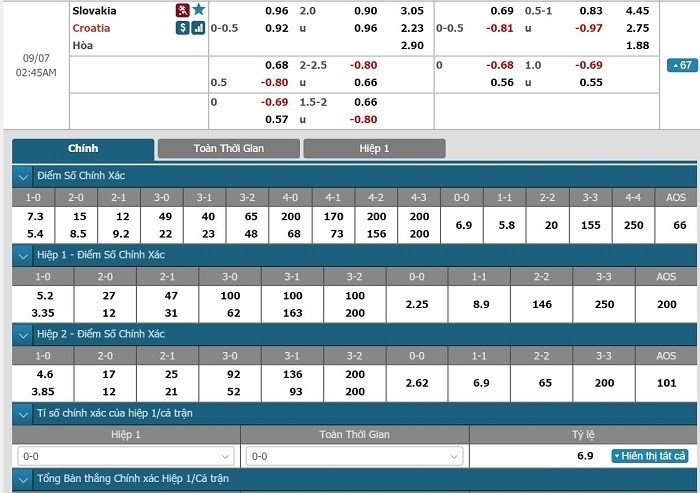
When reading soi kèo nhà cái, identify the exact market before connecting it to a football assessment. A comment about one side appearing stronger does not answer every question about a handicap or a total. The market name, period, line and price format should remain attached to the observation. Without them, a displayed value cannot support a complete comparison, however persuasive the surrounding narrative may sound.
Write confirmed information separately from explanations proposed by an analyst. A fixture schedule can establish dates, but it does not by itself prove fatigue or a planned tactical change. A reported absence needs its own source and level of confirmation. If a conclusion relies on an assumption, name that assumption. This allows another reader to see what was observed and what additional interpretation is being offered.
Look for information that challenges the first view
Avoid collecting only examples that support the initial expectation. If a historical result differs from the preferred narrative, keep it in the review. Check whether the selected matches genuinely address the question. A review is clearer when it acknowledges conflicting details than when it forces every fact into one direction. The goal is not to build a convincing reason to spend money, but to describe the evidence fairly.
Keep the comparison controlled and reviewable

A compact record can contain the fixture, data category, source, time, market scope and any relevant line or price. Use consistent labels rather than adding many fields without a purpose. When new information arrives, save its own observation point. Do not merge figures from different moments and call them a simultaneous market picture. A comparison can remain useful even when its conclusion is that the records are not directly equivalent.
Where prices change, identify the changed field before proposing a cause. A line movement and a price movement are different observations. Their timing near a news item does not prove one definite explanation. If a source lacks update information, state that the sequence is uncertain. Repeated comments in a discussion group do not replace a missing label, timestamp or independent confirmation of the underlying fact.
Set a reasonable research duration and stop when the planned questions have been reviewed. More refreshing does not automatically improve an assessment. Where real money is involved, an affordable entertainment budget must remain separate from essential spending. Do not enlarge it because the research took effort or because a conclusion feels persuasive. Passwords and verification codes should remain private when discussing records with anyone claiming to provide assistance.
Conclude
A review of data before a match should preserve the event, statistical scope, source and publication time. Keep confirmed facts apart from assumptions, relate information to the correct market and recognise the limits of small or inconsistent samples. This supports a clearer explanation without guaranteeing the result. Participation involving real money requires the appropriate age, compliance with local law and firm entertainment limits. Stop at those limits rather than treating research effort as a reason to continue or chase an earlier loss.